Why Automotive Detailing Services Are as Essential as Regular Oil Changes for Your Vehicle

December 6, 2025

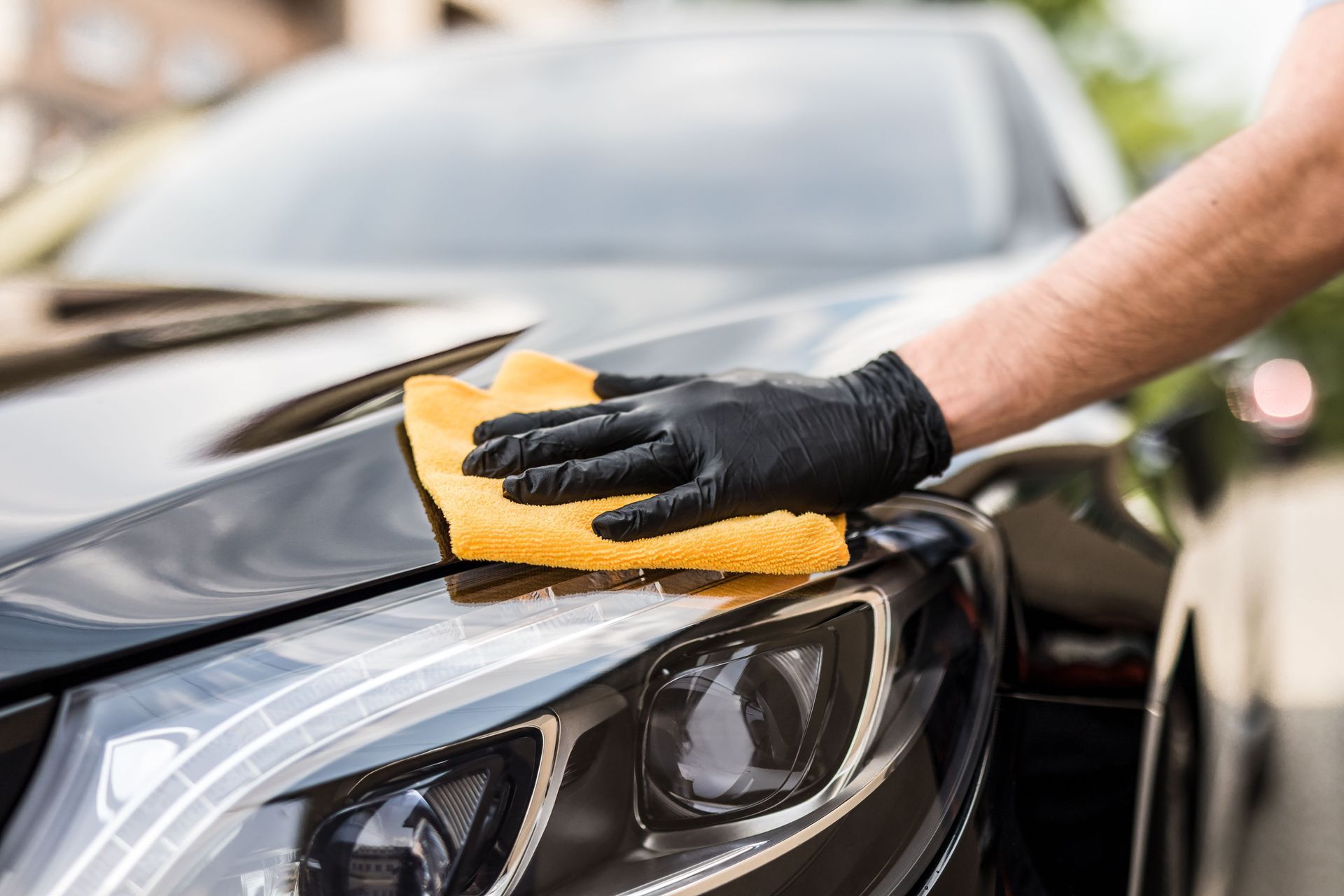
Automotive detailing services have gained recognition as a critical component of vehicle maintenance, akin to regular oil changes. Just as oil changes are vital for the engine's health, detailing plays a significant role in maintaining the overall condition of a vehicle. The benefits of detailing extend beyond aesthetics, ensuring the car's longevity and performance. While oil changes target the mechanical aspects, detailing covers the aesthetic, environmental protection, and interior health of the vehicle. This comprehensive approach underscores why automotive detailing services should be an integral part of any vehicle maintenance routine.


The Importance of Vehicle Aesthetics


A car that looks pristine and well-cared-for can significantly boost its resale value. Regular detailing maintains a car's appearance, keeping it looking new and attractive to potential buyers. The thorough cleaning and polishing process emphasize the vehicle's best features, masking minor scratches and imperfections. By investing in detailing, owners ensure that their vehicle stands out in the market. This strategic upkeep translates to financial gains when it's time to sell or trade the vehicle.


The exterior and interior of a vehicle can create lasting impressions on observers. A clean and well-maintained car reflects positively on its owner, conveying a message of care and attention to detail. Whether it's a business meeting or a social gathering, arriving in a spotless car enhances personal and professional image. This perception is not just limited to aesthetics but extends to reliability and trustworthiness. As such, regular detailing serves as a silent yet powerful communicator of personal standards.


Vehicles are constantly exposed to environmental elements that can cause severe damage over time. Pollutants, bird droppings, and tree sap can damage the paint, diminishing its shine and texture. Ultraviolet (UV) rays pose a significant threat, causing paint fading and cracking of the dashboard and upholstery. Detailing offers a layer of protection through wax and sealants, which act as a barrier against these damaging elements. This proactive protection helps avoid costly repairs and greatly extends the car's lifespan.


Understanding the Components of Detailing


Exterior detailing involves several critical steps, including washing, polishing, and waxing. These procedures are designed to restore and protect the vehicle's paint and clear coat. Washing removes surface dirt and grime, while polishing eliminates minor scratches and enhances shine. Wax adds a protective layer against UV rays and environmental pollutants, increasing the paint's longevity. This comprehensive approach ensures that a vehicle's exterior remains in peak condition, contributing to its overall value and appeal.


Interior detailing focuses on transforming the inside of the vehicle into a clean and inviting space. This process typically involves thorough vacuuming, steam cleaning, and conditioning of various surfaces. Vacuuming lifts dust and debris from carpets and seats, while steam cleaning disinfects and revitalizes upholstery. Conditioning leather and vinyl surfaces prevents cracking and fading, maintaining the interior's appearance and feel. Regular interior detailing not only improves aesthetics but also enhances comfort and air quality within the vehicle.


Cleaning the engine bay is an often-overlooked aspect of detailing that offers significant benefits. A clean engine bay allows mechanics to quickly identify leaks and worn parts, facilitating timely repairs. As dirt and grime build up, they can trap heat, reducing engine efficiency and potentially causing overheating. Regular cleaning helps avoid these issues, improving engine performance and longevity. This essential process underscores the role of detailing in enhancing a vehicle's operational reliability.


Longevity and Performance Benefits


Regular detailing significantly contributes to the preservation of a vehicle's paintwork. Over time, pollutants and UV rays can degrade the paint if left unprotected. Wax and sealants applied during detailing create a barrier that reflects harmful rays and shields against contaminants. This protection keeps the paint vibrant and prevents oxidation, extending the paint's lifespan. As a result, detailing is a crucial investment in a vehicle's long-term aesthetics and structural integrity.


One of the essential aspects of detailing is maintaining the quality of the vehicle's interior. Over time, materials like leather, fabric, and plastic can deteriorate if not properly cared for. Regular cleaning and conditioning prevent cracks, fading, and discoloration, preserving the interior's original look and feel. This attention to detail ensures a consistently comfortable and welcoming environment for both driver and passengers. Overall, interior detailing plays a vital role in sustaining the vehicle's coziness and appeal over the years.


Detailing plays a substantial role in reducing the overall wear and tear of a vehicle. By removing dirt and grime, detailing minimizes abrasion, which can wear down paint and other surfaces over time. Applying protective films and coatings reduces corrosion and helps surfaces withstand day-to-day use. This preservation not only maintains a car's appearance but also strengthens its structural resilience. As a result, detailing is an essential practice for ensuring a vehicle's durability and performance longevity.


Technological Advancements in Detailing


As environmental concerns gain prominence, the detailing industry has shifted toward eco-friendly products and methods. Biodegradable cleaning agents and water-saving tools reduce environmental impact while delivering effective results. Steam cleaning, for instance, minimizes water usage and eliminates the need for harmful chemicals. This sustainable approach aligns with growing consumer demand for environmentally responsible services. As the industry evolves, these green practices are becoming standard, reinforcing detailing's commitment to sustainability.


Smart technologies are revolutionizing the detailing industry, enhancing efficiency and customer convenience. Mobile apps and automatic scheduling streamline service bookings, making the process seamless for vehicle owners. Advanced technological systems also aid in tracking service history and custom preferences, providing personalized service experiences. These innovations elevate the detailing experience, ensuring consistency and customer satisfaction. By integrating smart technologies, detailing services continue to improve responsiveness and efficiency in meeting consumer needs.


Advanced machinery is playing a critical role in the efficiency and effectiveness of detailing services. High-performance vacuums, polishers, and steam cleaners enable thorough cleaning and faster service times. These machines not only enhance results but also improve the consistency of detailing services. The adoption of such technology reflects a commitment to quality and innovation, delivering superior outcomes. Customers benefit from these advancements, experiencing improved service quality and reduced turnaround times.


Myths and Misconceptions about Detailing


A common misconception is that detailing services are reserved for high-end vehicles. In reality, every car, regardless of make or model, benefits from regular detailing. This practice maintains a vehicle's value and performance, ensuring it remains a source of pride for its owner. Beyond aesthetics, detailing contributes to the longevity and operational efficiency of any vehicle. Thus, detailing is an essential practice for all car owners, promoting broader vehicle care and maintenance.


Some drivers view detailing as an unnecessary luxury rather than a worthwhile investment. However, detailing prevents expensive repairs and supports optimal vehicle performance. By preserving the car's condition, detailing enhances resale value and reduces operational costs over time. It is a proactive measure that extends a vehicle's lifespan, similar to regular oil changes. As awareness grows, more drivers recognize detailing as a non-negotiable aspect of responsible vehicle ownership.


Confusion often surrounds how often detailing should be conducted for maximum benefit. While frequency depends on individual needs and conditions, regular detailing, like oil changes, is recommended to maintain performance and value. Neglecting regular maintenance can lead to the accumulation of damaging elements on the vehicle's surfaces. According to The New York Post, regular maintenance, such as oil changes, is considered crucial by 41% of drivers. By aligning detailing frequency with usage and environmental factors, a vehicle remains in optimal condition year-round.


Automotive detailing services emerge as an essential counterpart to regular oil changes in comprehensive vehicle care. Detailing protects, enhances, and preserves every aspect of a vehicle, ensuring longevity, performance, and value retention. From safeguarding against environmental damage to creating a pleasant driving environment, its benefits are manifold. As part of routine maintenance, detailing integrates into a holistic approach to vehicle health. For owners seeking to maximize their vehicle's life and value, detailing is an indispensable part of the solution. For more information about the services that we offer, reach out to our incredible team at Madison Mobile Detailing & Pressure Washing today!
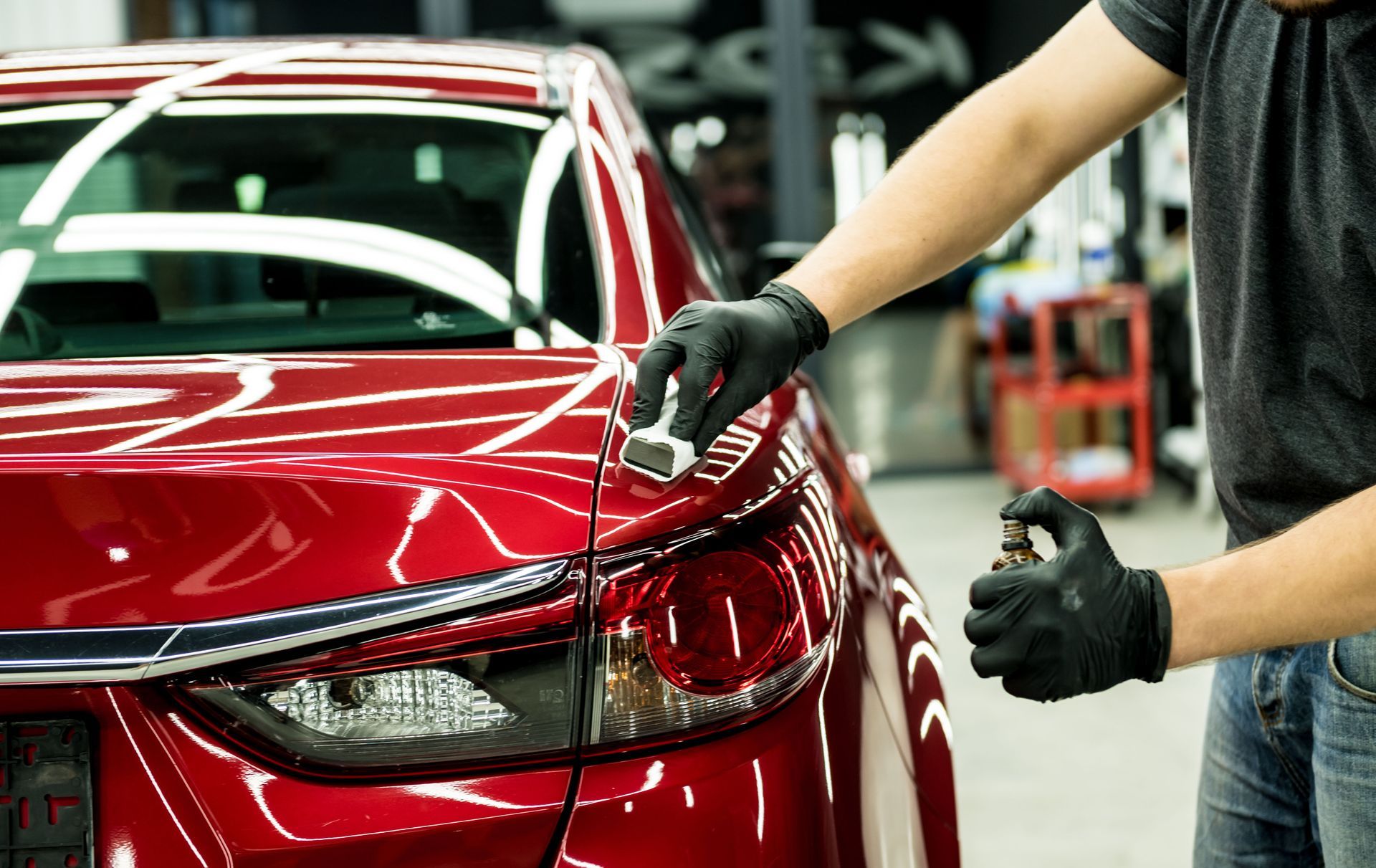
fleet detailing service
February 5, 2026
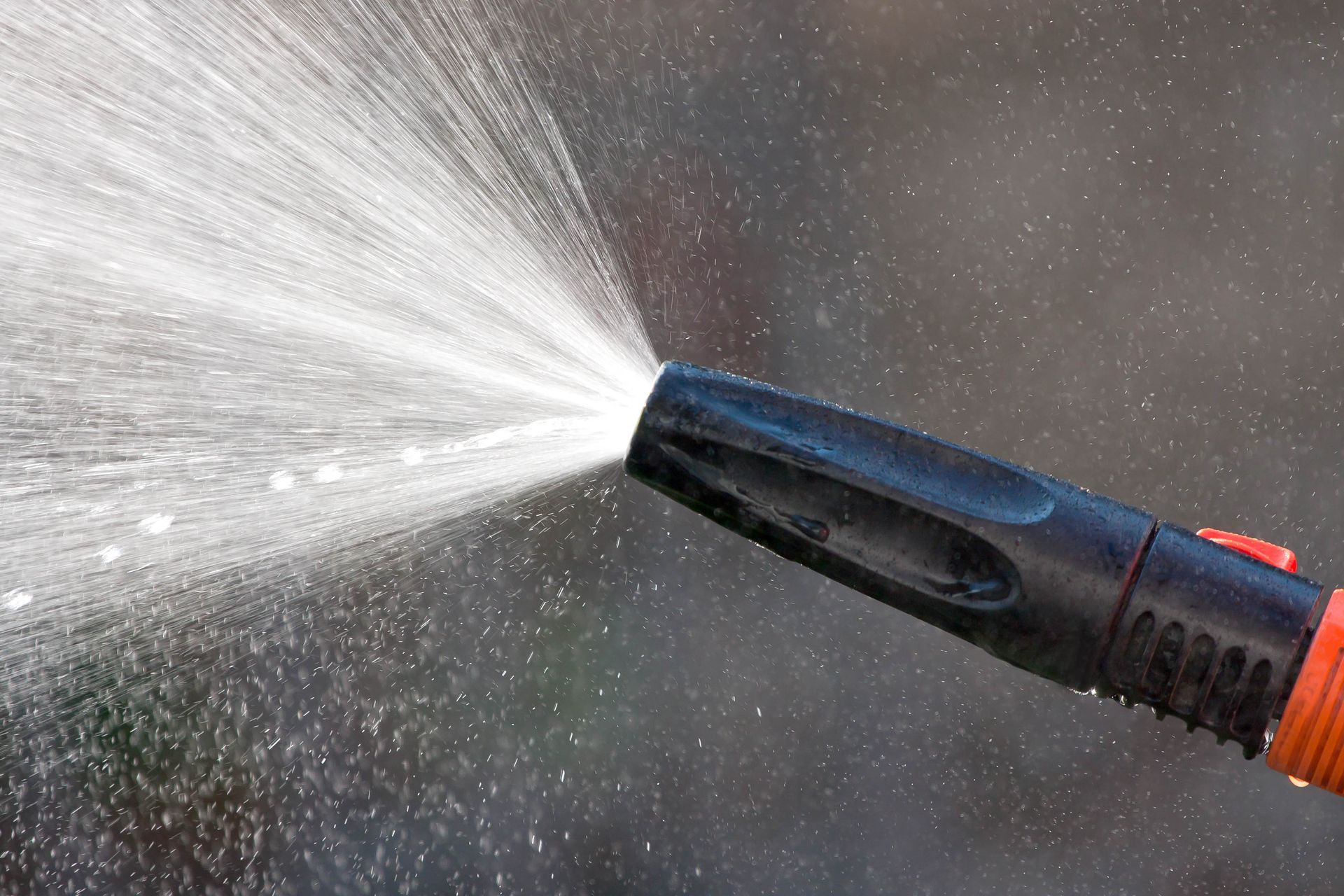
Understanding the importance of using appropriate pressure washer nozzles can help maintain the integrity of delicate fleet surfaces, ensuring longevity and visual consistency. Consistently subjecting fleet vehicles to harsh cleaning practices can strip away protective coatings and damage surfaces over time. For any professional fleet detailing service, focusing on proper equipment selection and technique is essential to preserving both appearance and functionality. Employing the correct pressure washer nozzles reduces the risk of surface damage while still delivering effective cleaning results. Understanding Pressure Washer Nozzle Fundamentals Pressure washer nozzles vary in design to address different cleaning challenges. Each nozzle produces a specific spray angle, which directly affects water pressure and coverage. For a fleet detailing service, understanding these differences is critical to balancing cleaning efficiency with surface protection. Some applications require concentrated force to remove buildup, while others demand a wider spray to protect sensitive materials. Matching nozzle selection to the task ensures optimal results without compromising vehicle finishes. Nozzle types are commonly color-coded to simplify identification. This system helps technicians quickly choose the appropriate spray angle during a fleet detailing service. For example, red nozzles produce a highly concentrated stream, while white nozzles distribute water more gently. According to The Home Depot, white nozzles with a 40-degree spray angle are recommended for sensitive surfaces. These visual cues help prevent errors and promote consistent detailing practices. Nozzle size also influences pressure output and water volume. Selecting an incorrect size can lead to ineffective cleaning or surface damage. For a fleet detailing service, understanding nozzle size ensures control over water pressure and adaptability across different vehicle surfaces. Proper selection allows technicians to maintain effectiveness while safeguarding paint, trim, and coatings. Evaluating Nozzle Size and Water Control Fleet vehicles often feature a range of surface textures that respond differently to water pressure. This variability requires detailed knowledge of how nozzle size affects cleaning dynamics. Within a fleet detailing service, even minor adjustments in nozzle size can significantly impact surface safety and cleanliness. The objective is to maintain consistency without sacrificing surface integrity. Nozzle size selection also affects water management. Choosing the appropriate nozzle promotes efficient water flow while supporting sustainability goals. A professional fleet detailing service benefits from optimized water usage, which enhances operational efficiency and reinforces responsible maintenance practices. Attention to these details elevates the quality and professionalism of fleet care. Understanding nozzle size contributes to long-term surface preservation. By controlling pressure and coverage, technicians can achieve thorough cleaning while avoiding unnecessary wear. This balance reinforces the importance of precision within every fleet detailing service operation. Applying Color-Coded Nozzle Systems Effectively Color-coded pressure washer nozzles simplify decision-making by linking spray angles to specific cleaning tasks. Each color represents a defined pressure range, allowing technicians to select the safest option quickly. In a fleet detailing service, this system minimizes guesswork and reduces the likelihood of surface damage. Using the correct color-coded nozzle helps protect delicate materials such as paint, plastic, and glass. Applying excessive pressure can result in scratches, etching, or coating failure. By adhering to color guidelines, a fleet detailing service maintains consistency and reliability across cleaning procedures. Consistent nozzle use also protects equipment longevity. Preventing misuse reduces wear on pressure washers and accessories. For fleet managers, understanding and implementing color-coded systems enhances operational efficiency while supporting safe, repeatable detailing practices. Identifying Delicate Fleet Vehicle Surfaces Fleet vehicles often include painted panels, plastic components, glass surfaces, and chrome accents, each with unique sensitivities. These materials require careful handling during cleaning. A knowledgeable fleet detailing service prioritizes surface identification to prevent avoidable damage and preserve vehicle appearance. Understanding material composition supports informed nozzle selection and technique. Recognizing vulnerabilities allows technicians to adapt methods accordingly. By integrating material awareness into every fleet detailing service task, teams ensure consistent protection and quality outcomes. Advancements in vehicle materials make ongoing education essential. As fleet designs evolve, detailing practices must adapt. A proactive fleet detailing service remains informed about new materials and maintenance requirements, supporting long-term vehicle performance. Assessing Surface Condition Before Cleaning Evaluating surface condition before cleaning is essential for determining safe pressure levels. Inspections reveal existing damage, wear patterns, or sensitive areas requiring extra caution. For any fleet detailing service, this assessment establishes a baseline that guides appropriate nozzle selection. Fleet vehicles experience varied exposure due to frequent use and environmental conditions. Regular inspections help identify areas needing specialized care. A structured evaluation process supports tailored cleaning strategies and prevents unintended consequences. Surface assessments also inform broader maintenance planning. Accurate condition tracking supports scheduling, prioritization, and resource allocation. This strategic approach allows a fleet detailing service to operate proactively rather than reactively. Avoiding Risks Associated With Improper Nozzle Use Incorrect nozzle selection can cause paint damage, surface gouging, or glass etching. These risks undermine protective finishes and compromise vehicle appearance. For a fleet detailing service, avoiding such outcomes depends on informed nozzle choices and operator awareness. Frequent cleaning amplifies the consequences of improper nozzle use. Repeated mistakes compound damage over time, emphasizing the need for consistent training and compliance. A professional fleet detailing service prioritizes education to mitigate these risks. Training programs that explain nozzle behavior and surface response strengthen technician expertise. By reinforcing correct practices, a fleet detailing service improves reliability, protects vehicles, and enhances service quality. Beyond surface damage, improper nozzle use can also reduce overall cleaning effectiveness. When pressure is mismatched to the surface, contaminants may be redistributed rather than removed, leaving residue that dulls finishes over time. This can lead to inconsistent results across a fleet, where some vehicles appear well-maintained while others show premature wear. Standardizing nozzle selection helps ensure uniform outcomes and reinforces professional detailing standards. Additionally, incorrect nozzle application can increase operator fatigue and reduce efficiency. Excessive pressure often requires repeated passes to correct unintended damage or uneven cleaning. By aligning nozzle choice with surface sensitivity from the outset, operators maintain smoother workflows and reduce unnecessary rework. This approach supports safer operations while maintaining consistency across all fleet vehicles. Selecting Nozzles for Painted Vehicle Surfaces Protecting painted surfaces is a primary detailing objective. Selecting appropriate nozzles prevents pressure-related degradation while achieving effective cleaning. Within a fleet detailing service, using wide-angle nozzles supports gentle dirt removal without harming finishes. Paint preservation depends on balancing pressure and coverage. White 40-degree nozzles distribute water evenly, reducing concentrated force. This approach reflects advanced detailing standards and safeguards vehicle appearance. Consistent nozzle selection for painted areas ensures vehicles remain visually polished. By prioritizing paint integrity, a fleet detailing service reinforces long-term fleet value and presentation. Painted surfaces often include multiple layers designed to protect the underlying material while maintaining visual appeal. Preserving these layers requires controlled water dispersion and careful technique. Operators who understand how spray angle influences impact can adapt their approach based on paint condition, environmental exposure, and surface curvature. This awareness minimizes stress on clear coats and reduces the likelihood of premature fading or surface irregularities. Attention to distance and movement also complements nozzle selection. Maintaining consistent spacing and sweeping motions allows water pressure to work effectively without lingering on a single point. This method supports even cleaning and reinforces surface protection, especially on vehicles exposed to frequent use or harsh conditions. By reinforcing best practices and prioritizing surface preservation, fleet detailing operations contribute to longer vehicle lifespans and consistent presentation. Thoughtful execution transforms routine cleaning into a strategic maintenance function, supporting reliability, safety, and visual professionalism across the entire fleet. For all of your fleet detailing needs, contact Madison Mobile Detailing & Pressure Washing today!
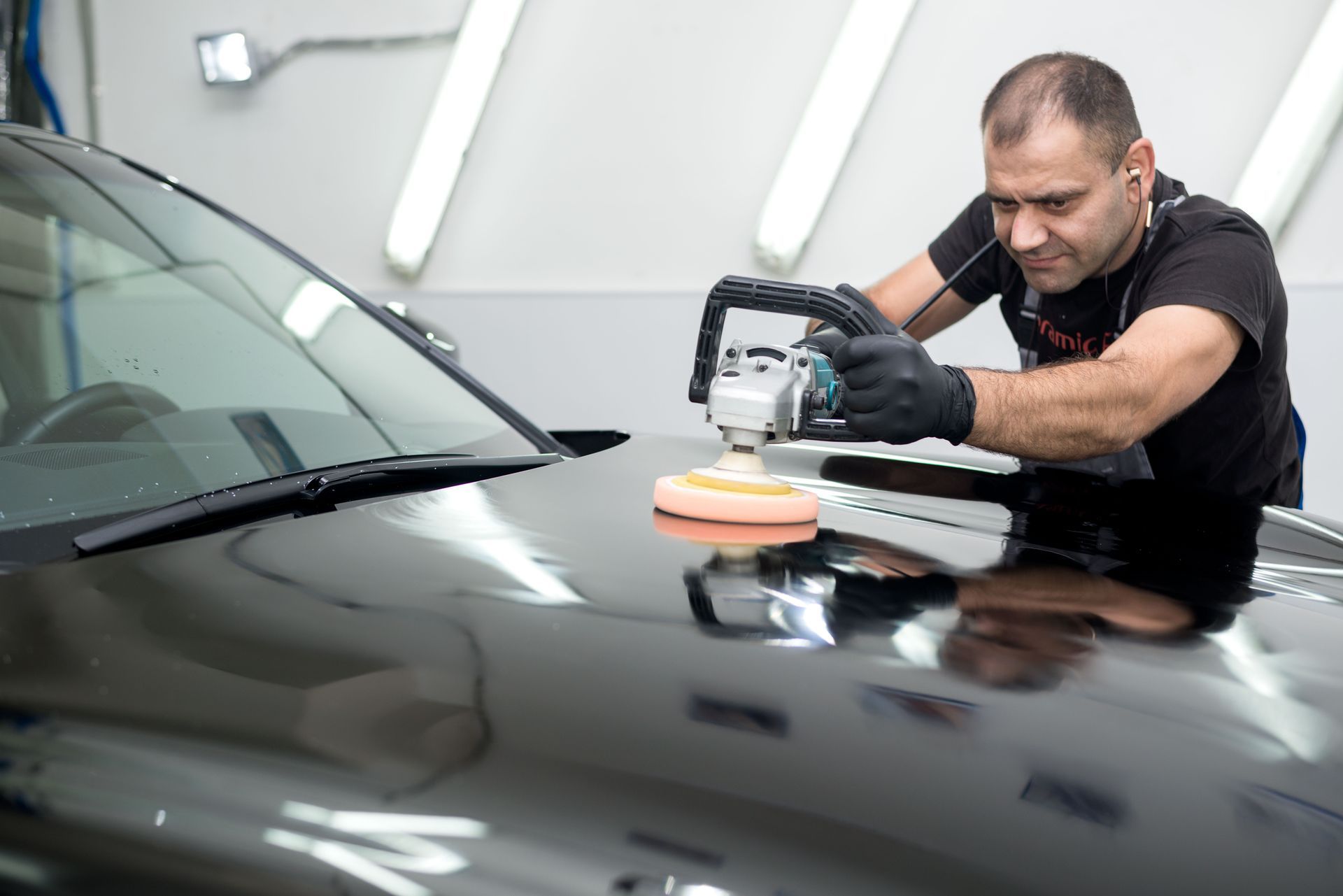
fleet detailing
September 26, 2025
Are you ready to keep your boat looking its best with fleet detailing? Here is how routine maintenance can keep your boat looking great and save you money.
fleet detailing
July 10, 2025
Regular fleet detailing is much more than an aesthetic choice; it is a strategic business decision. Continue reading to learn three reasons why!
automotive detailing services
December 9, 2024
Are you wondering what benefits there are in local automotive detailing services? Read the blog or contact our auto detailers to learn more!
RV detailing
July 16, 2024
Are you looking for RV detailing? Here are some reasons why so many RV owners invest in detailing services. Let's take a look for more information!